Why do highly skilled people think they’re ‘not good enough’?
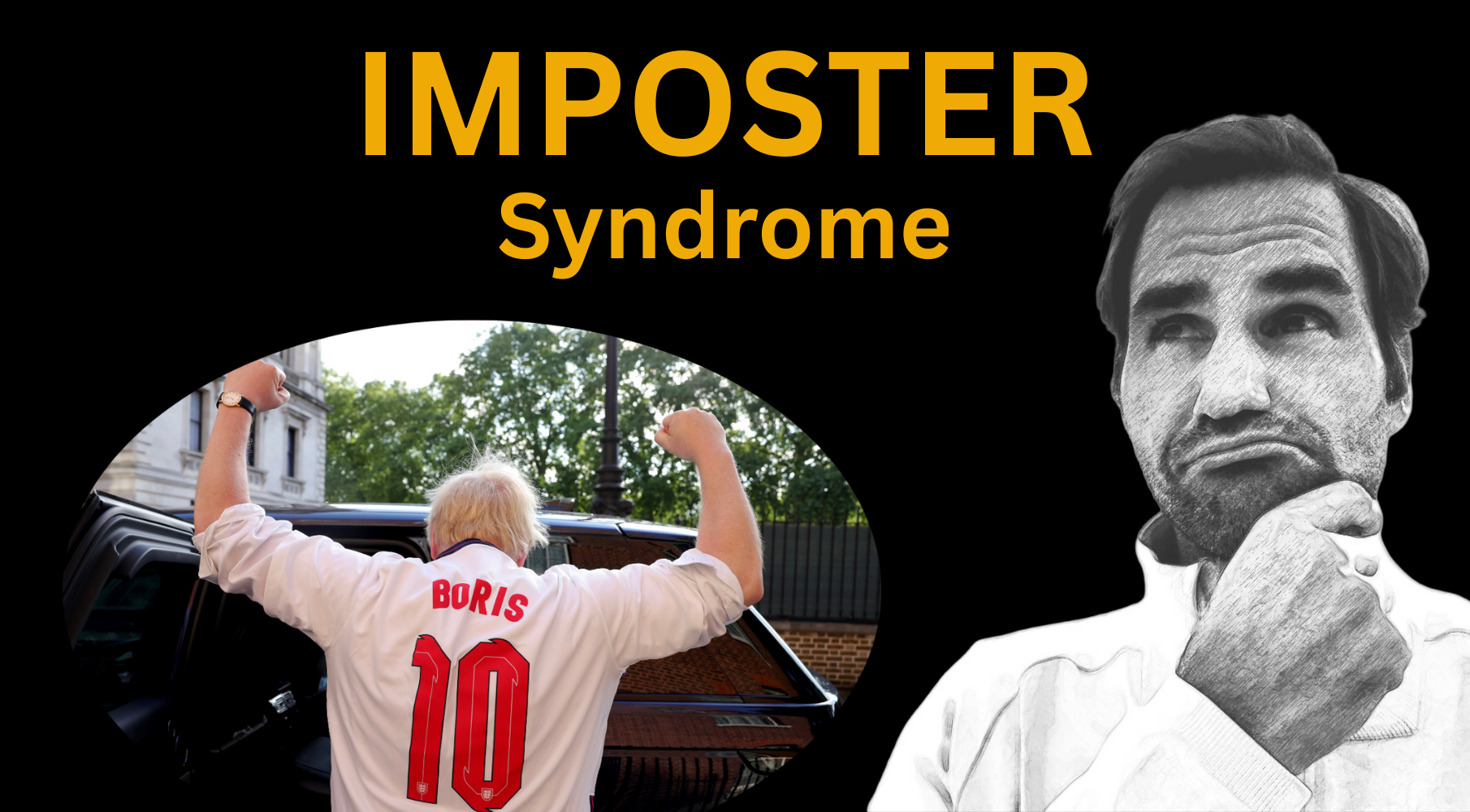
How many people do you know who are highly skilled, yet seem to doubt their ability?
Contrast this with the hyper confident performers who audition for the X Factor, or appear on The Apprentice, who aren't necessarily noted for displaying high levels of skill and you have a rather confusing situation.
This is what's known as the Dunning-Kruger Effect.
This effect starts to explain the strange phenomenon more commonly known as ‘Imposter Syndrome’.
The Dunning-Kruger Effect was named after two psychologists, David Dunning and Justin Kruger, who conducted experiments into this phenomenon at Cornell University in 1999.
The effect is a cognitive bias whereby people who are not that skilled think they're highly skilled and people who are highly skilled think they're not that skilled.
How does that work? Let's start with the people who are not that skilled.
Generally, the less someone knows about something, the less able they are to recognise that there's a lot they don't know.
This can pretty much happen in any area, as was illustrated by the U.S. Senator who took a snowball into the Senate to show how cold it was outside, definitively proving that the earth isn't getting warmer.
As comedian Al Murray observed, during the World Cup, every man in the country believes he has what it takes to coach England to World Cup glory.
Someone can only become more highly skilled by noticing areas to improve on at each stage of the process.
As the singer who auditions for the X Factor lacks the ability to do this, she thinks she thinks she’s already doing everything perfectly.
So when she's told she doesn't actually sound that much like Beyoncé she reacts with total surprise and disbelief.
She hasn't developed the ability to hear the difference between her and Beyoncé, and the fact she cannot hear the difference means that, in her mind, she sounds the same.
All of which gives her huge amounts of confidence.
This illusion is further reinforced when you see someone who is highly skilled at doing something, because they make it look easy.
There doesn't seem like there's much to it.
I was always reminded how easy tennis is when I saw Roger Federer winning a match without breaking into a sweat.
In reality, someone who’s highly skilled has practised for so many years that their skills do work more naturally, easily and automatically without them needing to think about every single thing consciously anymore.
But because their skills are working automatically, it gives them the impression they're not really doing anything. So they tend to take their high level of skill for granted.
And they only become more highly skilled by noticing areas to improve on at each stage of the process in order to progress.
The fact that they’re no longer appreciating their existing skills, but they’re always able to notice areas to improve on means they’re usually most aware of the things they’re not happy with.
So it’s never ‘good enough’.
That’s what gives them the impression that they're not that skilled.
In 2005, British chef Heston Blumenthal’s restaurant was voted best restaurant in the world.
In a BBC documentary, Blumenthal spoke about reaching that point.
He said, “I think I was changing the world of cooking and eating, but I just thought I was sh*t… because nothing was ever good enough.”
Part of what makes someone like Blumenthal so highly skilled is being able to notice increasingly smaller details to improve on. Details that are imperceptible to most other people.
And this highlights one of the key changes needed to move beyond ‘Imposter Syndrome’.
They think they’re not skilled enough because they’re able to notice areas to improve on.
But they’re only able to notice areas to improve on because they’re skilled enough to notice.
That’s the very ability the X Factor contestant lacks.
People also have a tendency to believe that others see them the way they see themselves. As a result, highly skilled people who think they’re' not good enough’ often worry they will be 'found out’.
Apparently, when starting rehearsals for a new role, Dame Judi Dench always leaves her bag and coat by the door in case she decides she's not up to it and wants to leave quickly.
I once started to explain the Dunning-Kruger Effect to an Olympic athlete I was working with who replied, 'Yep. I think I'm a bit like the X Factor contestant really.'
I rest my case.
