How can a critic fail to recognise what’s great?
The chef, the jazz legend and the unknown artist
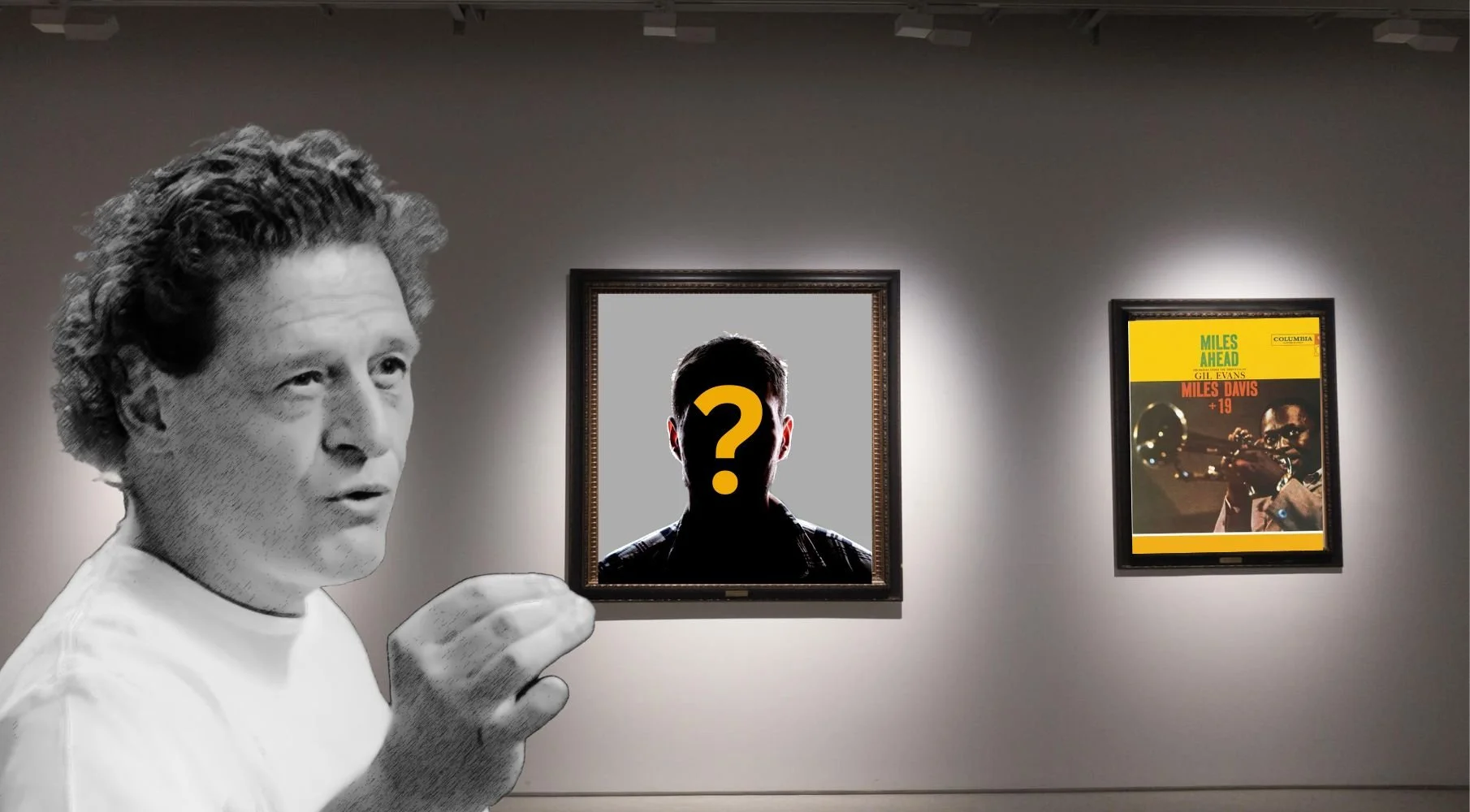
How often have you been surprised that someone doesn’t like an actor, musician or artist you think is great?
Anyone who’s highly skilled in these creative fields is doing something unique. That’s what makes them special.
If they were exactly the same as everyone else you wouldn’t consider them great.
But the fact that what they’re doing is different means it’s not going to appeal to everyone.
When someone describes something as ‘good;’, ‘better’ or ‘the best’, they act like these words are objective ways of measuring quality in the same way that we can measure how loud something is in decibels or who’s taller using centimetres or inches.
But does everyone always have the same idea of what’s good?
Obviously, we may not trust everyone else’s judgement.
But we mistakenly believe that people with a certain expertise in their field should be able to come up with a definitive judgement about what’s good and what’s not.
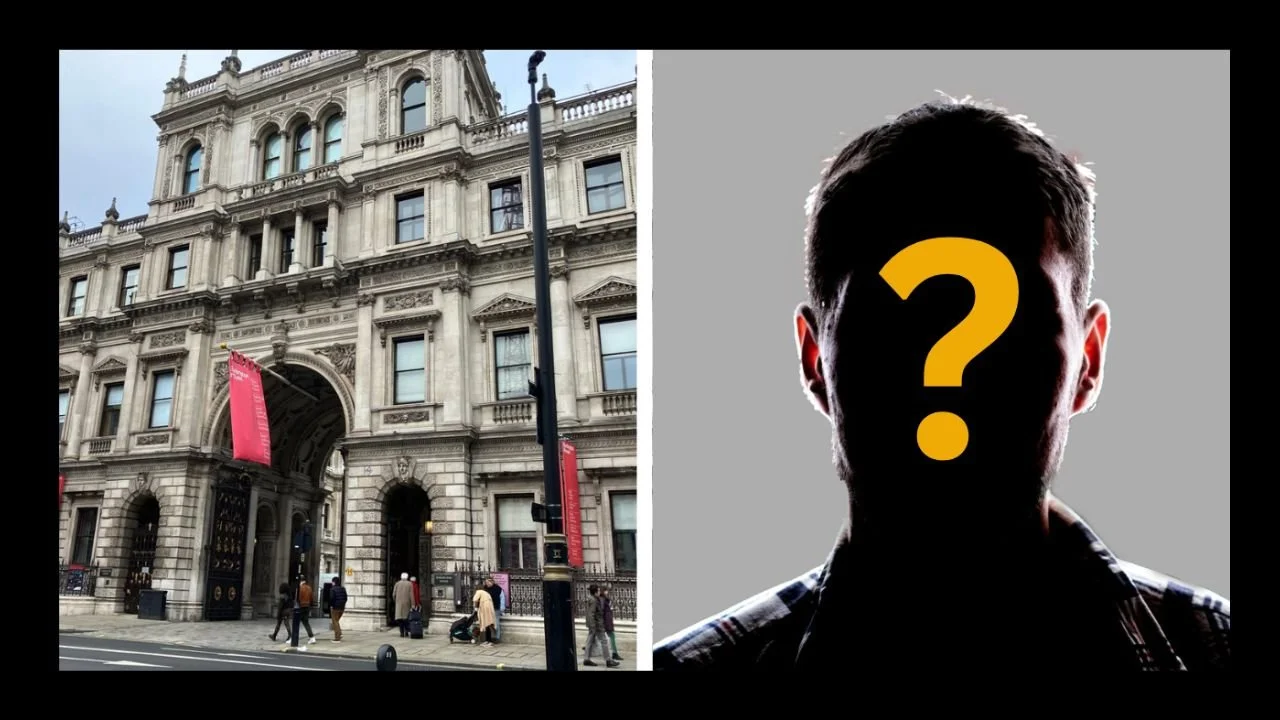
In 2018, The Royal Academy of Arts in London held their annual summer exhibition. This is an exhibition with one key difference.
Anyone can submit a painting.
But you do have to get your work of art accepted by a panel of expert judges.
So it perhaps wasn’t surprising that when a complete unknown, Bryan S Gaakman sent in his painting, it was rejected by the panel.
At the time, no-one at the Royal Academy seemed to notice that when you rearrange the letters of ‘Bryan S Gaakman’ it spells ‘Banksy Anagram’.
A while later, Banksy was contacted by the Royal Academy and asked to submit a painting, upon which he sent in a revised version of the painting he’d already submitted.
But this time it was accepted and valued at £350 million.
How could the same painting have no value one moment, only to be valued so highly the next?
This doesn’t just happen when the artist behind a particular work is unknown.
In 1972, jazz legend Miles Davis released his new album, ‘On the Corner’.
One of his contemporaries, saxophonist, Stan Getz’ verdict was damming, ‘that music is worthless. It means nothing. It has no form, no content and it barely swings.’
Critics often think that their idea of what’s good is right and anyone who disagrees with them is wrong.
They are often so confident that even highly skilled people believe them.
In 1995, Marco Pierre White became the first ever British chef to win the most coveted accolade in the culinary world - three Michelin stars.
Upon his retirement he said, “I was being judged by people who had less knowledge than me, so what was it truly worth? I gave Michelin inspectors too much respect, and I belittled myself.”
The critics’ confidence is what’s known as Naive Realism. The term was coined by Lee Ross, professor of psychology at Stanford University.
Naive Realism is a cognitive bias whereby people believe they see things the way they really are and anyone who sees anything differently is wrong.
Ross gives a number of examples.
When driving, everyone ‘knows’ they’re going at the right speed and anyone who’s driving slower than them is an idiot and anyone who’s driving faster is a maniac.
Everyone thinks that their political views are correct and anyone who’s further to the left is wrong, as is anyone who’s further to the right. Because if there were a better set of political beliefs, I’d have already adopted them, right?
But why would anyone think that their idea is right and anyone who disagrees is wrong?
Because when someone describes a painting as ‘good’, they act as if the quality of ‘good’ exists in the painting and they’re just pointing that out.
Likewise, if they describe a painting as ‘not good’ they think that the quality of ‘good’ is missing from the painting and they’re simply stating a fact.
In reality, when someone tells you what they think is good and what isn’t they’re telling you about their values.
As Lee Ross explained, when someone in a restaurant complains that the soup is either too bland or too spicy, they’re think they’re making a comment on the soup, but they’re actually making a comment on their own taste.
People often find it hard to recognise that their idea of what’s ‘good’ isn’t the only idea that anyone could come up with.
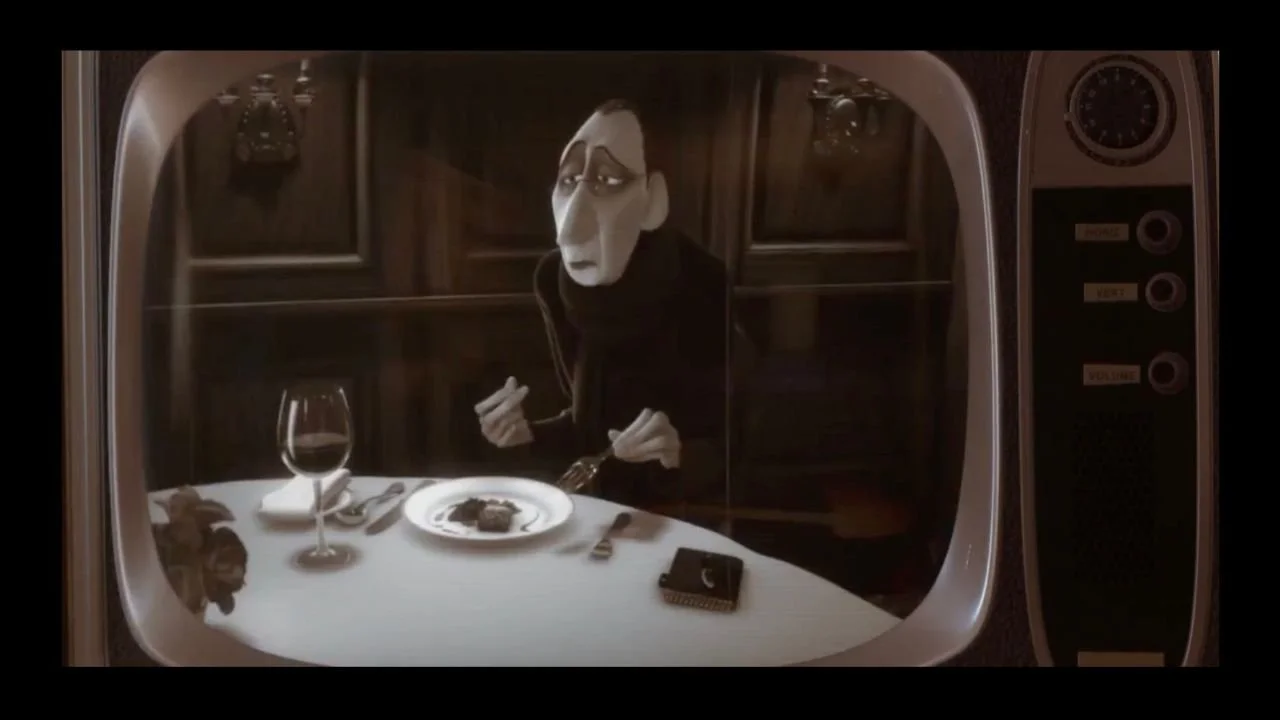
It’s like watching the film of a book that you’ve read. It’s only when you see the actor who’s playing the main character appear on screen that you realise that you’d formed an idea in your imagination of how that character was whilst reading. And the actor you see on screen isn’t it.
So why would anyone who’s highly skilled trust a critic who thinks that what they’re doing is not good, simply because it’s different from the idea the critic has in mind?
Because in order to become highly skilled, you typically had to trust other people’s judgement.
Before you start learning a particular skill, you may have no idea what a ‘good’ is.
So a beginner, you tend of rely on an instructor’s ideas about what’s good and what’s not. A tennis coach will show a beginner how to serve and a trainee chef is shown how to chop an onion.
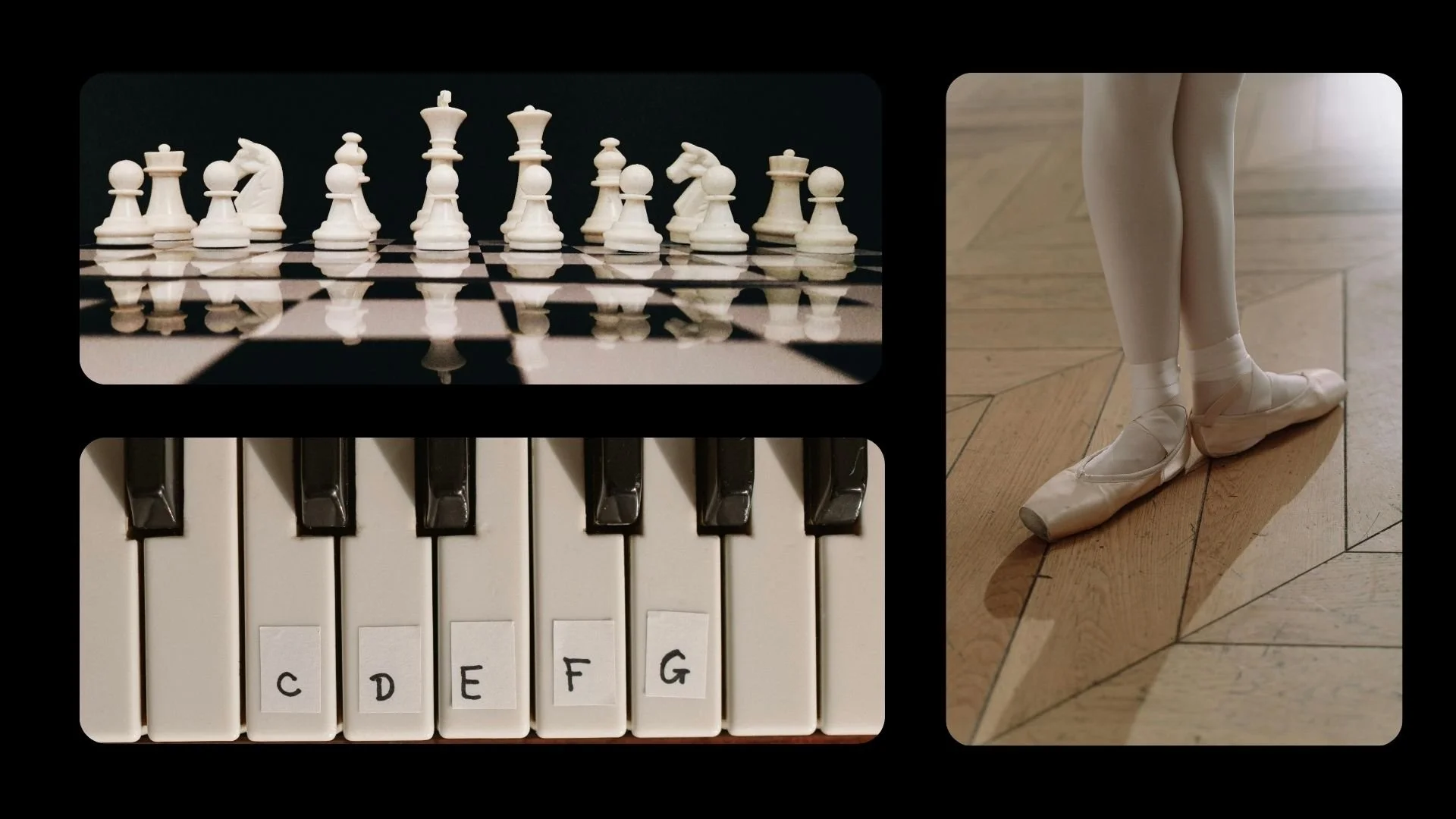
And at the start, there is an agreed idea about what’s good or bad, right or wrong. There’s an agreed way to set up the pieces on a chess board. Everyone agrees which notes are which on the piano keyboard and there are set foot positions in ballet.
And because the instructor is at a more advanced level than you, you want to produce the results they have in mind.
And if you’re not yet producing those results, they’ll tell you what to change to get closer to doing that.
In contrast, a beginner who doesn’t follow the agreed idea of the ‘right’ way of doing something typically doesn’t advance any further.
So the beginner who does follow the instructor’s idea of what’s good is becoming more and more skilled over time.
But they’re also building in the habit of trusting someone else’s judgement over their own.
And if someone decides how good they are based on what other people think, then it’s natural for them to hope that everyone will think they’re good.
But just like example of driving, if everyone has a different idea of the right speed to drive at, then it’s impossible for anyone to drive at a speed that everyone thinks is right.
Similarly, if everyone imagines a character differently whilst reading a book, it’s impossible for even the greatest actor to play the character in a way that everyone imagined.

In fact, the more highly skilled you are in a creative field, the greater differences there can be between people’s ideas of what’s good.
And given that greatest actors, musicians, chefs and artists are always producing results that someone out there thinks are not good, there’s only one choice left.
The only person whose judgement they can trust is their own.
As Marco Pierre White said, “You have to cook the food you want to cook, not the food you think they want to eat. Your cooking has to be an extension of you as a chef, otherwise you’ll never be happy.”
But the fact that someone’s spent years trusting other peoples’ judgement means that this solution can seem completely counterintuitive.
As Miles Davis said, “Sometimes it can take a long time to be prepared to play like yourself.”
Sign up to the newsletter
Be the first to discover what’s new…