Why don’t highly skilled people appreciate it when they achieve perfection?
What’s the truth that lies behind perfection? Part Two.

How many times have you complimented someone who’s highly skilled on producing brilliant results, yet they don’t seem to be able to accept your compliments?
You know how good they are, so it’s impossible that they don’t notice that too.
So you reassert your compliments, yet they still reject them.
They also seem to think that you’re complimenting them just to ‘be nice’ or to ‘make them feel better’ and not because you actually thought what they did was good at all.
And you would think that the more highly skilled someone is, the more likely they would be to accept compliments.
Especially at those moments when certain people clearly achieve perfection.
Because there are moments when someone produces results that couldn’t be any better.
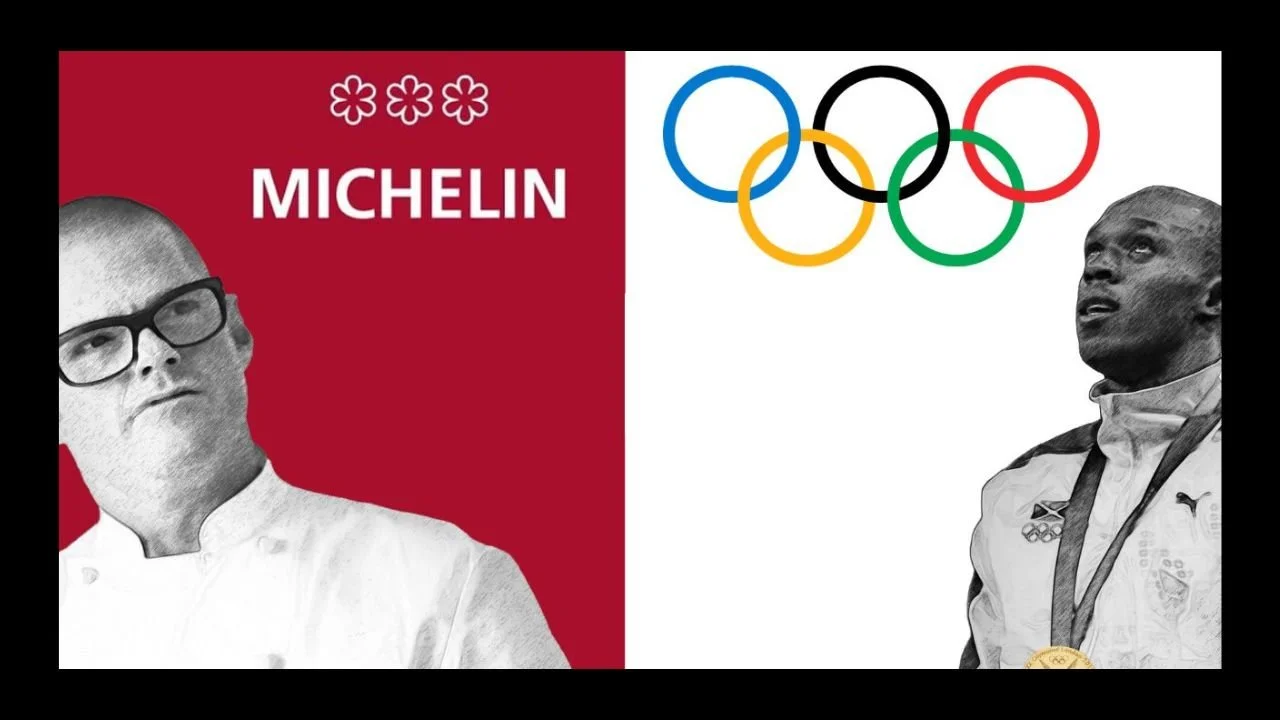
Like when Usain Bolt won Olympic gold again in Rio in 2016.
But in order to understand this, we have to start at the beginning.
Aged 15, Heston Blumenthal’s parents took him to a Michelin starred restaurant.
The food exceeded anything he could imagine.
It was also the experience that inspired him to become a chef.
Years later, his own restaurant won three Michelin stars - the highest accolade in the culinary world.
His restaurant was also voted best restaurant in the world. The chef’s equivalent to winning Olympic gold.

Many people want to reach the level of those who inspired them. But they don’t always seem to accept it when they’ve reached the top.
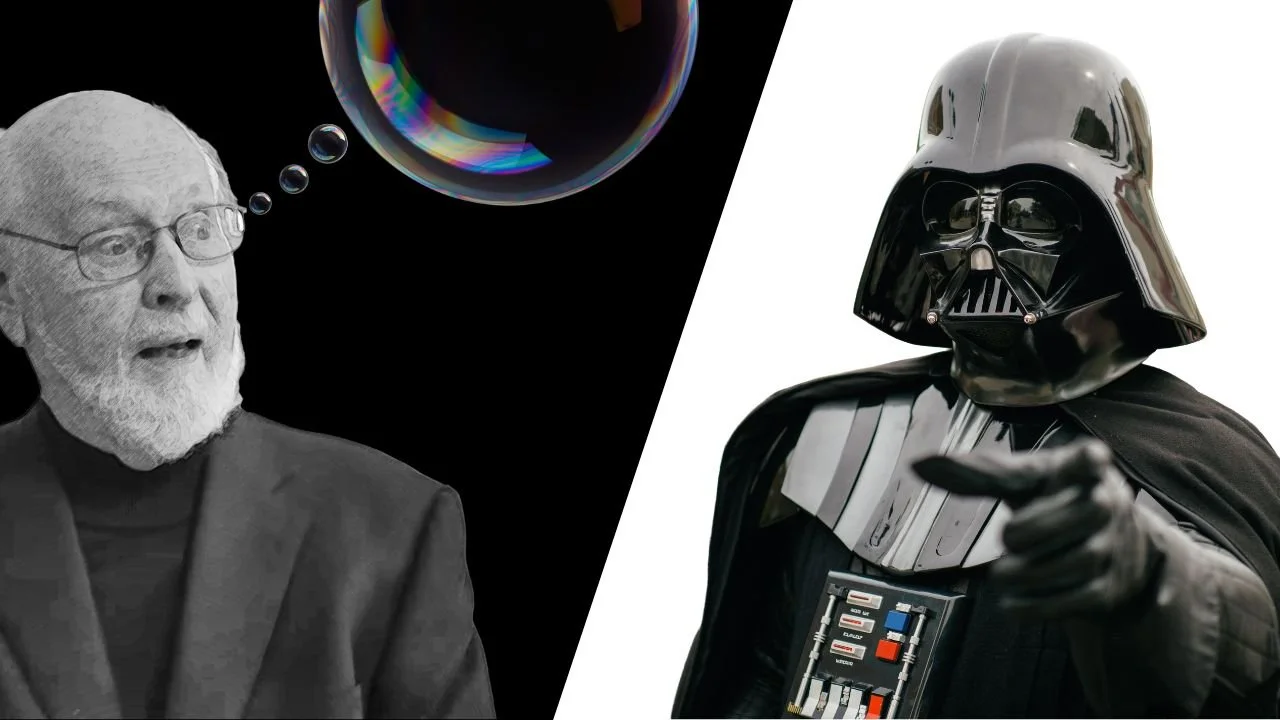
Steven Spielberg paid tribute to John Williams, the composer whose music accompanied so many iconic films including Star Wars, E.T., Harry Potter, Jurassic Park and Jaws.
“Without John Williams, bikes don’t fly, nor do brooms in Quidditch matches, nor do men in red capes. There is no force, dinosaurs do not walk the Earth. You breathe belief in to every film we have made.”
Williams was once asked by a journalist, “Do you ever allow yourself that moment to step back and say, “Wow! Look what I’ve done’?”
He replied, “I’ll be completely honest with you. It’s very hard for me to take complete pleasure in anything I’ve made…”
So why wouldn’t someone who's highly skilled accept it when they’ve reached the highest level?
This phenomenon is caused by a cognitive bias known as The Illusion of Transparency.
The Illusion of Transparency is a term coined by psychologist Elizabeth Newton who researched this phenomenon at Stanford University.
This explains how, because what we experience in our minds is so clear to us, we often forget that no-one else really knows what’s going on in our mind.
You know that if you think or your favourite food, a specific piece of music or sport, no-one will know what you’re thinking of unless you tell them.
But how does this explain why highly skilled people don’t always accept compliments?
It all hinges on our idea of ‘perfection’.
What’s perfection?
Something is only perfect if it cannot be improved on in any way. If you can imagine anything better, then it’s not perfect.
When we start developing a particular skill, we think the people who inspire us produce perfect results because we can’t imagine anything better.
And if you watch an Olympic high jumper, you can easily see whether they clear the bar or knock it off.
We can see whether they achieve the result they wanted or not. And the celebration or frustration that’s obvious in their body language afterwards will confirm this.
But we have no idea how close most highly skilled people get to the results they have in mind.
We have no idea if the dish tasted exactly the way the chef imagined. No idea if the musician produced the sound they had in mind. And no idea if the sprinter ran as fast as they expected to.

And it’s not just that the people who inspire us don’t always produce the results they have in mind.
There’s another twist to this to this illusion.
Someone is only able to become highly skilled by noticing areas to improve on throughout the process.
So their idea of what’s ‘perfect’ is continually changing.
Once they achieve the results they currently think are perfect, with that comes the ability to imagine how they could produce even better results.
So now their results aren’t perfect anymore.
But the process they go through is completely invisible from the outside. We have no idea how high they’ve set the bar in their mind at any stage of the process.

And because they have an even higher level in mind, that makes it difficult for them to appreciate the qualities that are so apparent to the rest of us.
When Heston Blumenthal ate at the Michelin starred restaurant, aged 15 he wouldn’t have been able to imagine how the food could be any better.
But the fact that he thought every dish was perfect didn’t mean that the head chef of the restaurant wasn’t able to imagine an even higher level.
Years later, when Blumenthal’s own restaurant had achieved three Michelin stars, he would also have been able to imagine how he could improve on each dish.
But the fact that he was still able to notice areas to improve on, meant that he hadn’t achieved the perfection he’d experienced in that inspiring meal all those years ago.
This was reflected in his comment that, “I was changing the face of cooking and eating….but nothing was ever good enough.”
When John Williams told the journalist that he found it difficult to take complete pleasure in anything he’d made, he offered an explanation:
“…you can always see things that could be improved on.”
So someone compliments you on producing brilliant results, yet you ‘know’ this wasn’t the case.
You didn’t get close enough to producing the results you had in mind and the difference is so clear to you, you forget that they have no way of knowing that.
The only possible explanation for their compliments is that they’re lying to you to ‘make you feel better’.
From their perspective, although they don’t know how close you’re getting to the results you had in mind, they are noticing the qualities you’re no longer appreciating.
And as these qualities are so obvious to them, they’re convinced that you must notice this too. It’s clearly just false modesty on your part.
But by refusing to believe anyone who tells them that they’re not producing exactly the results they have in mind, they’re creating a different illusion. That everyone’s producing much more consistent results than they are.
In fact, the ability to imagine even better results is one of the most important skills anyone needs to reach an even higher level.
After winning Olympic gold once more in Rio, Usain Bolt was asked what it meant to him having won, to which re replied:
“It wasn’t perfect today. I expected to run faster…. but I’m happy I won.”
If Bolt had finished every race being unable to notice anything to improve on, he would never have become Olympic champion in the first place.
And that’s the truth that lies behind perfection:
Anyone who’s highly skilled is always able to notice areas to improve on.
So the process is working perfectly precisely because they never reach the stage where they think they do everything perfectly.
Sign up to the newsletter
Be the first to discover what’s new…