The Will to Win.
The ‘winning mentality’ that can actually make it more likely that someone will lose…
What’s the counterintuitive solution?
Performing under pressure - Part Two
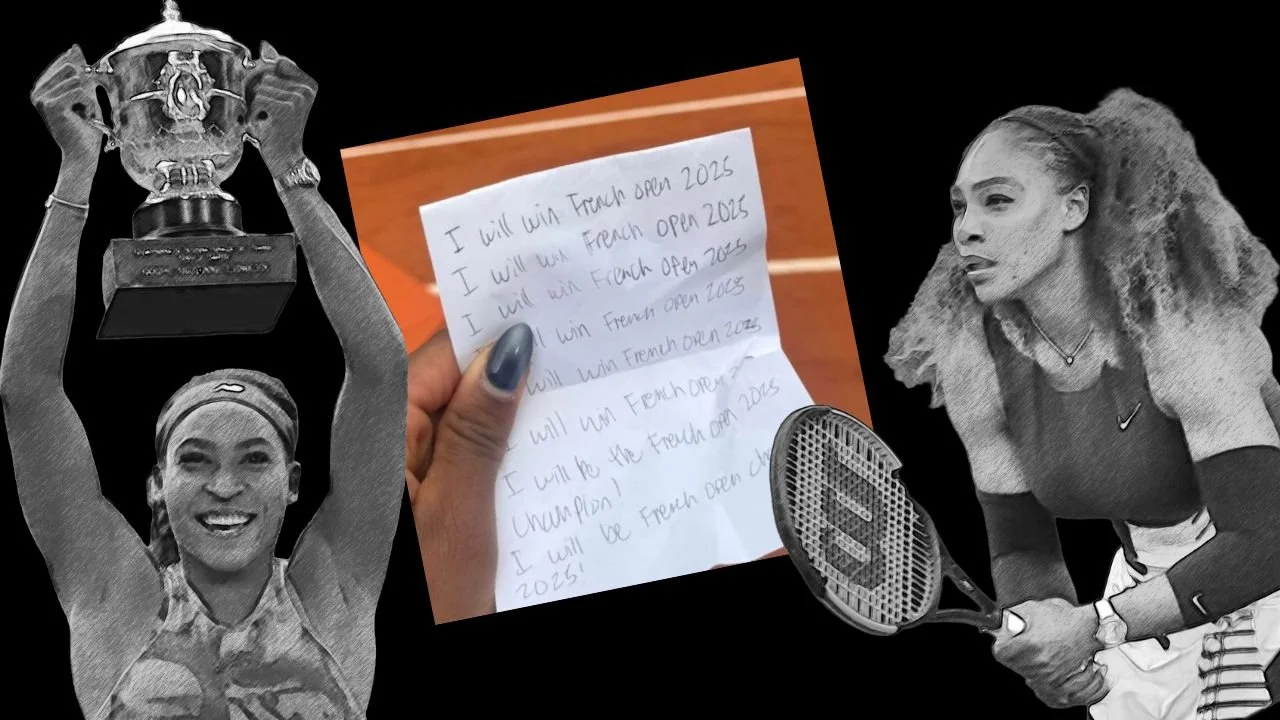
In 2025 Coco Gauff won the French Open.
Afterwards she said that she really wanted to win and spoke about having the ‘will to win’.
Having the ‘will to win’ doesn’t just mean that someone needs a strong enough desire to win, although many people believe that’s a key ingredient.
As many a losing football team have lamented afterwards, “they must have wanted it more than us.”
The will to win means that someone is prepared to go through every stage of the process needed to make that possible.
And that’s a process that takes years of determination, perseverance and sacrifice.
But most importantly, it’s the skills and abilities they develop throughout that process that make it possible to win.
And that gives them something else that’s essential too:
Confidence.
Because everyone wants to go into a major championship knowing that they can perform at their best when it really matters.
So it’s easy to see why people believe that having the ‘will to win’ is a winning mentality.
There’s just one flaw in this plan.
In reality, going into a major championship with the will to win is very a risky strategy.
It can make it more likely that someone will lose, even if they have the ability to win.
But Coco Gauff isn’t the only one to talk about having the will to win before going on to do just that.
But in the matches where people perform at their best, they step onto the court with a different mindset.
So what do they do differently?
And why could having the will to win actually stop someone from doing just that?
Let’s start with the blindingly obvious.
In order to win, someone has to go through the process that would make that possible.
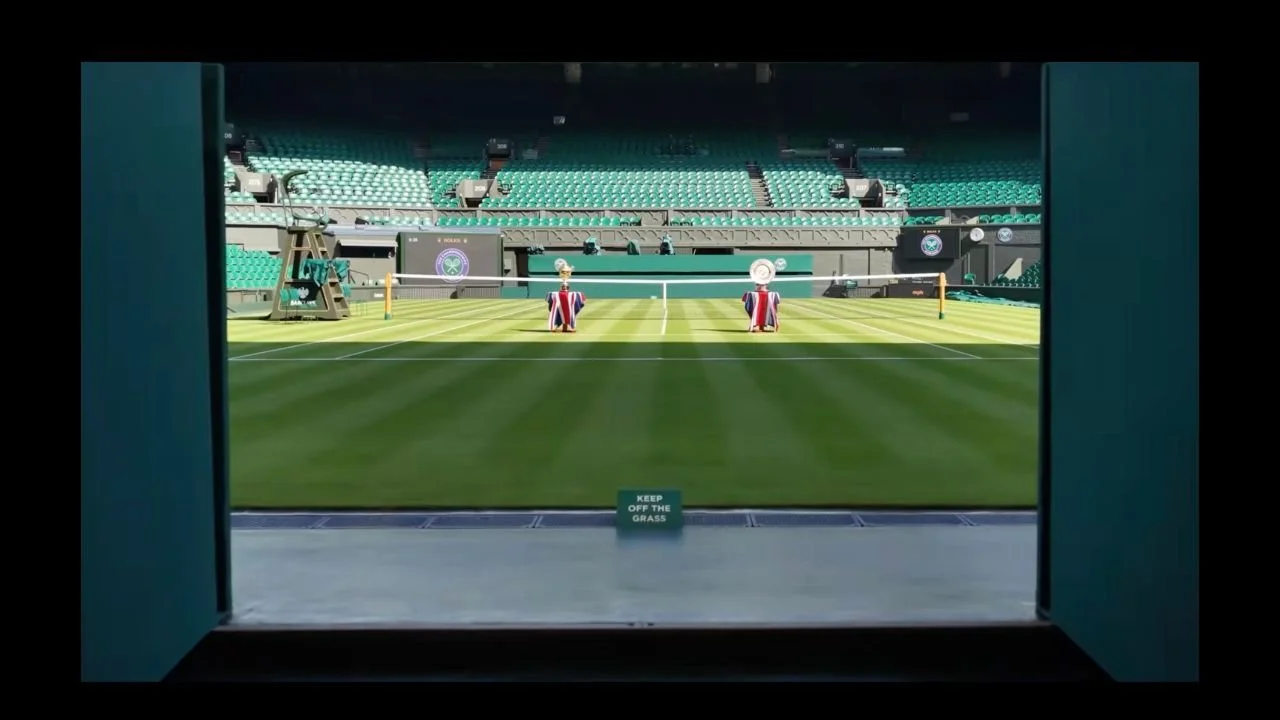
They have to run the Olympic final faster than anyone else, score more goals in the World Cup final or win more games than their opponent at Wimbledon.
In short, they have to be able to perform in a way that would enable them to win.
But if their desire to win becomes too strong, it can become impossible to perform in a way that would make that happen.
Because the more they want to win, the more difficult it can be to go through the process that would make that possible.
And that’s the major flaw in the ‘will to win’ mindset.
That mindset does motivate them throughout the process they need to go through to develop the highest level of skill and ability.
Without that, winning would be impossible.
But now they really want to win so that those years of determination, perseverance and sacrifice were worth it.
And because they want to win so badly, there’s too much at stake.
And the higher the stakes, the higher the pressure.
In fact, the stronger their desire to win, the more difficult it can be physically to use the very skills and abilities they’ve spent so many years developing.
It’s like the example from Part One.
If someone has to walk across a plank placed across the gap between two tall buildings, the stakes are now life or death.
So it can become physically impossible to walk across at the very moment their life depends on it.
As Paul Annacone, former coach to both Pete Sampras and Roger Federer said, “the methodology has to be you cannot want it too badly…. because that self-imposed pressure is a guaranteed way to paralyse your ability.”
And someone’s desire to win is usually strongest in the major championships.
That’s why people often find it more difficult to perform at their best in the Wimbledon final or when taking a penalty kick in the World Cup.

But many people believe that it’s that strong desire to win that makes it possible.
So when they underperform, there must be another explanation.
“The pressure of the situation got to me today”.
“My body just stopped me from performing at the highest level.”
“I simple wasn’t good enough today.”
In fact, they often think that the problem was that their desire to win just wasn’t strong enough.
Like the comment by the losing football team. “They must have wanted it more than us.”
In reality, any time anyone is performing well in any situation, they will have made the end result less important in their mind, often without even realising that they’ve done that.
Performers discover a variety of ways of doing this at different stages of their careers and always perform better as a result.
But most people usually do that by chance, rather than by design.
Serena Williams summed up the key to her victory in the French Open in 2002, “I felt like not thinking about winning, that was the key."
But how do you not focus on winning? How do you not focus on the end result?
That’s a difficult mindset to recreate to order.
But there is a solution.
And it’s one that many top performers already use.
If someone makes the end result less important, the process works better. But it also works the other way around too.
If someone makes the process more important, the end result becomes less important. And that’s what makes it possible to win.
It’s like the runner interviewed before the World Championship who said, “I’ll be happy if I finish the race knowing I left it all on the track.”
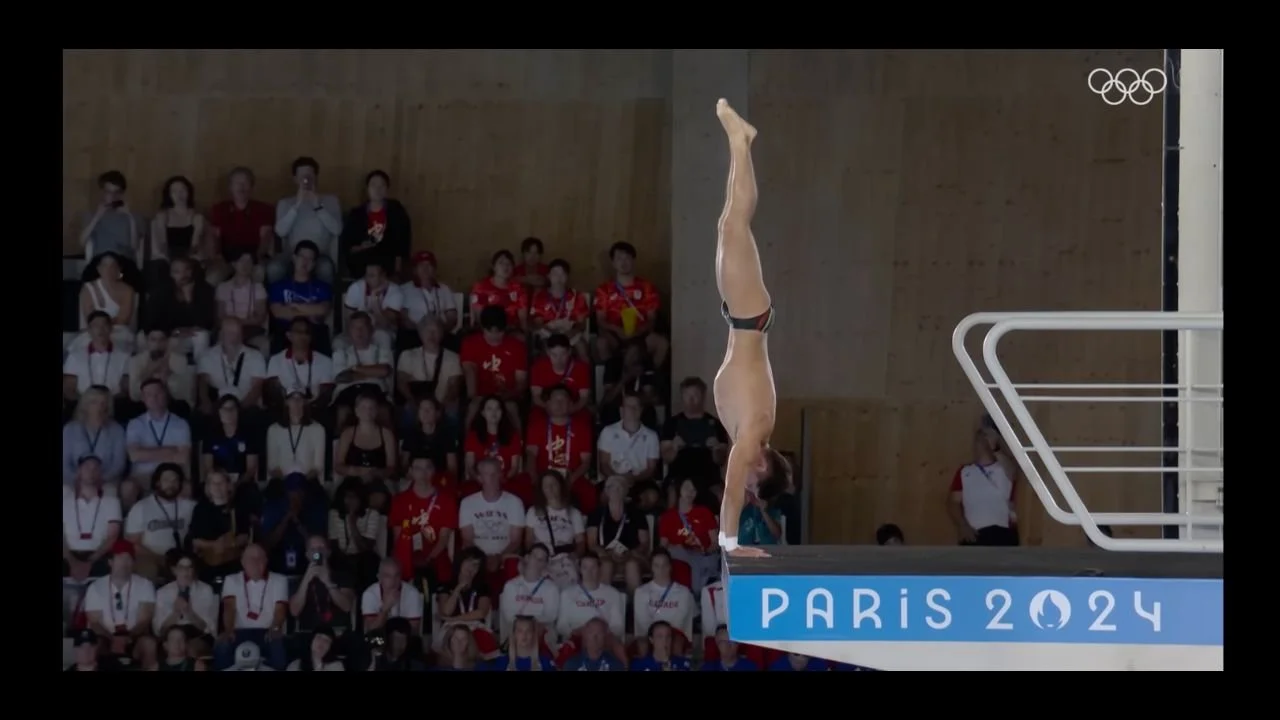
Or the Olympic diver speaking about the mindset it took to win his medal, “I wasn’t thinking about medals. I just wanted to execute the dives the way I’d been practising.”
And that’s a mindset that is possible to recreate to order.
But crucially, a ‘mindset’ is exactly that.
There’s a set of different skills someone needs to develop in order to become even more immersed in the process, especially in a major championship.
It’s also a completely counterintuitive change to make. Because many people mistakenly believe that if they aren’t as focused on winning it means they don’t want to win.
In reality, the more focused they become on the process, the more they’ll win.
How does this work?
If someone wants to win too badly, they don’t just lose matches they actually have the ability to win.
Afterwards, they’ll be unhappy that they didn’t win.
But they’ll be more unhappy that they didn’t perform as well as they know they can.
Because winning is only possible if someone can perform in a way that would make that happen.
But no-one wins every time. Not even sporting legends do that. It’s impossible.
So in the matches they can’t win they have nothing to lose. They just don’t realise that at the time.
But if their desire to win is too strong, they can underperform in matches where they had nothing to lose.
And they often become even more determined to win next time around to make up for that loss.
So now the pressure has actually gone up.

And they don’t just lose more matches that way. Over time, they’re losing confidence in their ability to perform in a way that would enable them to win.
So what gives someone the greatest confidence that they can perform at their best when it really matters?
Knowing that they’ve done it many times before.
Because once they’re more focused on the process, that makes it more likely that they’ll win the matches they can actually win.
But in the matches they don’t win, they’ll finish knowing that they performed better because they were more immersed in the process.
As Serena Williams said, “If I’m going to lose, I’m going to lose doing all the things I know I should be doing…. I just focus on one point…. I don’t focus on games, I just focus on points… I just focus on this point, this ball. Next point, next ball”.
And as any performer continues to develop their skills and abilities, over time, their best keeps getting better.
So one year on, when they go into that major championship they haven’t just reached a higher level of skill and ability.
They can step onto the court knowing that they can perform so much better because they’ve done it many times before.
And that’s essential.
After her French Open win Gauff spoke about the mindset that actually enabled her to win, “my philosophy is, if I can leave it all out there, then the loss will hurt a lot less than the regret of maybe not giving it your all”.
In the words of Serena Williams, “You don’t win Grand Slams with your tennis. The tennis is just a consequence of how you think, your process and the mindset you have when you enter the court”.
Because in order to win, someone has to go through every stage of the process needed to make that possible.
Sign up to the newsletter
Be the first to discover what’s new…